
Wednesday, June 1, 2016
Moved to a New Location
Our blog has moved to a new location over at CleanAirMatters.org. The new site not only has a fresh look and feel, but has an increased focus on our personal responsibility to do more in the fight for clean air. We'll be leaving this older site up for historical and educational purposes.


Wednesday, May 18, 2016
Reduce Ocean Pollution - Stop Air Pollution!
As I continue to learn more about pollution and its effect on our environment, I find it both interesting and sobering how all parts of the earth's biosphere are so interconnected. Not all of this is new to me, of course. It's easy to see how acid rain pollutes not only the atmosphere but also anything it happens to fall on. And land pollution's effect on groundwater isn't hard to figure out.
But it's often the case that these connections reach much further than first glance would indicate. The consequences are deeper, sometimes literally. If you asked me a week ago what the consequences of air pollution are for the world's oceans, I would have told you that pollution from the air would add to the pollution of sea water, affecting marine life and water quality, especially at the surface.
But a recently-released study has shown the air pollution that makes it hard for us to breathe also makes it hard for fish to breathe, too. We're not talking about water-quality in the classic, too-many-harmful-chemicals sense, but in a lack of oxygen. Here's the deal: a cloud of pollution off the coast of Asia floats into the Pacific and is carried thousands of miles away by ocean currents. Eventually, the extra iron and nitrogen in the pollution winds up in warm tropical waters where tiny phytoplankton consume it.
In itself, this isn't a bad thing, since when phytoplankton consume these pollutants, it creates oxygen near the surface. But in this case, the plankton eat so much that their excess organic matter sinks into deeper water and is consumed by bacteria. This is the bad part, since the bacteria, with a constant and abundant food source, take oxygen out of the water.
What are the consequences of less oxygen in deep seawater? In a nutshell, the death of marine organisms, including fish. The lack of oxygen creates dead zones in the deep ocean, which affects the hunting habits of larger predators. National Geographic has an informative and alarming read on what's happening to large fish due to these lowering levels of oxygen.
The problem here is easy to see, as is identifying the solution: reduce the air pollution that leads to dwindling ocean oxygen levels. But will anything be done to make that happen? This highlights a problem I've been writing about recently, which is that we talk about and hear about pollution, but refrain from doing anything about it. Don't conclude that if you're not running a factory in Asia, then you're off the hook. As the National Geographic article above shows, oxygen depletion in the oceans affects regions off the coast of California, Africa, and the Caribbean.
If you're a factory owner or manager, a maintenance manager, or a safety professional, do what you can do ensure your facility is emitting the lowest possible amount of pollutants. If you're not one of those people, but you know the facility you work in is a source of air pollution, talk to someone who can do something about it. Our oceans depend upon it.
But it's often the case that these connections reach much further than first glance would indicate. The consequences are deeper, sometimes literally. If you asked me a week ago what the consequences of air pollution are for the world's oceans, I would have told you that pollution from the air would add to the pollution of sea water, affecting marine life and water quality, especially at the surface.
But a recently-released study has shown the air pollution that makes it hard for us to breathe also makes it hard for fish to breathe, too. We're not talking about water-quality in the classic, too-many-harmful-chemicals sense, but in a lack of oxygen. Here's the deal: a cloud of pollution off the coast of Asia floats into the Pacific and is carried thousands of miles away by ocean currents. Eventually, the extra iron and nitrogen in the pollution winds up in warm tropical waters where tiny phytoplankton consume it.
In itself, this isn't a bad thing, since when phytoplankton consume these pollutants, it creates oxygen near the surface. But in this case, the plankton eat so much that their excess organic matter sinks into deeper water and is consumed by bacteria. This is the bad part, since the bacteria, with a constant and abundant food source, take oxygen out of the water.
What are the consequences of less oxygen in deep seawater? In a nutshell, the death of marine organisms, including fish. The lack of oxygen creates dead zones in the deep ocean, which affects the hunting habits of larger predators. National Geographic has an informative and alarming read on what's happening to large fish due to these lowering levels of oxygen.
Oceans are losing oxygen—and becoming more hostile to marine life: http://t.co/HUHJbJmdam— National Geographic (@NatGeo) March 13, 2015
The problem here is easy to see, as is identifying the solution: reduce the air pollution that leads to dwindling ocean oxygen levels. But will anything be done to make that happen? This highlights a problem I've been writing about recently, which is that we talk about and hear about pollution, but refrain from doing anything about it. Don't conclude that if you're not running a factory in Asia, then you're off the hook. As the National Geographic article above shows, oxygen depletion in the oceans affects regions off the coast of California, Africa, and the Caribbean.
If you're a factory owner or manager, a maintenance manager, or a safety professional, do what you can do ensure your facility is emitting the lowest possible amount of pollutants. If you're not one of those people, but you know the facility you work in is a source of air pollution, talk to someone who can do something about it. Our oceans depend upon it.
Wednesday, May 4, 2016
Will Technology Save Us from Air Pollution?
According to my computer's built-in dictionary, technology can be defined as "the application of scientific knowledge for practical purposes, especially in industry". Of course, depending on your view of Angry Birds, social networking, memes and other "technologies" that seem to waste so much of our time, the argument can be made that we don't really care if our technology is practical anymore.
But speaking of technology, what more practical use of it could be found than the improvement of human health? Or the saving (or extending) of human life? For these reasons, we've long looked to science or technology to save us from ourselves.
In the context of preventing or improving air pollution, technology is a mixed bag. Some really smart people are doing some amazing things to help with pollution. Check out Tesla's video on how their Model X uses Bioweapon Defense Mode (how's that for a name?) to lower the air pollution inside the cabin:
As another example, NASA and the Republic of Korea's National Institute of Environmental Research are making use of aircraft, satellites, ships and ground stations to monitor air quality across South Korea. An impressive use of technology, to be sure, but all of that technology is produced by industry. And, rightly or wrongly, what is industry famous for? Air pollution!
Am I saying that we shouldn't use technology in the fight against air pollution? No. Camfil APC uses all kinds of cool technology to make it easy to reduce pollution and keep employees safe in the workplace. But technology isn't a good substitute for human integrity. Until we as a society perform the mental shift needed to quit putting short-term goals ahead of long-term gains, technology will be of limited use.
So let's not expect technology to make up for our poor environmental choices. Let's make smart short-term choices, like walking or riding a bike instead of using our cars for short trips. In short, let's do something about helping the environment, instead of waiting for technology to save us.
But speaking of technology, what more practical use of it could be found than the improvement of human health? Or the saving (or extending) of human life? For these reasons, we've long looked to science or technology to save us from ourselves.
In the context of preventing or improving air pollution, technology is a mixed bag. Some really smart people are doing some amazing things to help with pollution. Check out Tesla's video on how their Model X uses Bioweapon Defense Mode (how's that for a name?) to lower the air pollution inside the cabin:
But for every one of these success stories on technology solving problems, there's one or more stories of how it caused that problem in the first place. Few would argue that the automobile was a technological improvement over the bicycle, but does that it make a car better than a bicycle? Not if you consider the environmental angle; automobiles continue to be one of the biggest offenders when it comes to air pollution sources.Watch air pollution levels inside Model X drastically drop when we turn on Bioweapon Defense Mode in Beijing pic.twitter.com/HLjyvj3H2C— Tesla Motors (@TeslaMotors) May 3, 2016
As another example, NASA and the Republic of Korea's National Institute of Environmental Research are making use of aircraft, satellites, ships and ground stations to monitor air quality across South Korea. An impressive use of technology, to be sure, but all of that technology is produced by industry. And, rightly or wrongly, what is industry famous for? Air pollution!
Am I saying that we shouldn't use technology in the fight against air pollution? No. Camfil APC uses all kinds of cool technology to make it easy to reduce pollution and keep employees safe in the workplace. But technology isn't a good substitute for human integrity. Until we as a society perform the mental shift needed to quit putting short-term goals ahead of long-term gains, technology will be of limited use.
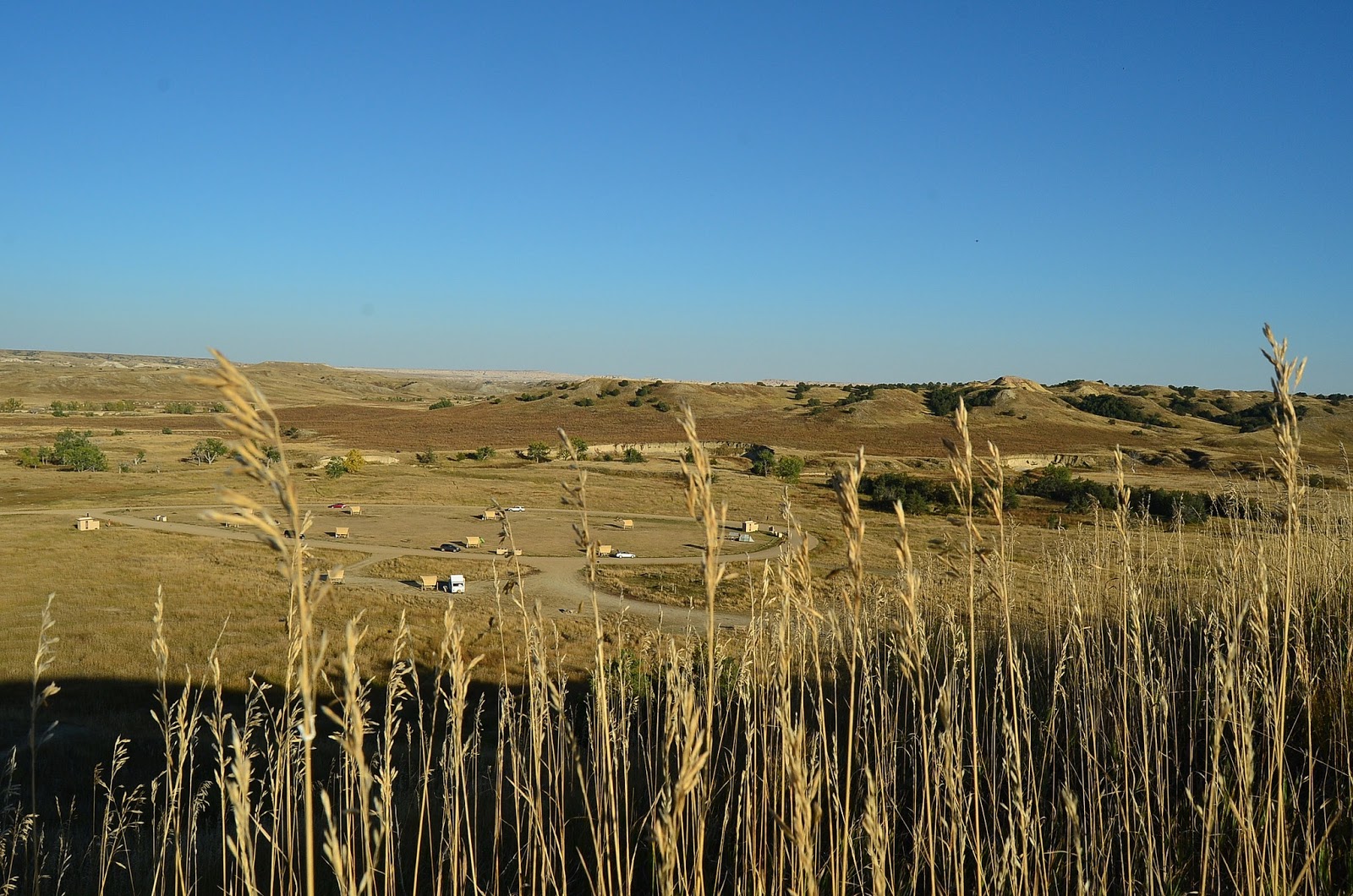 |
| We all have to do something if we don't want skies like this to be a thing of the past. |
So let's not expect technology to make up for our poor environmental choices. Let's make smart short-term choices, like walking or riding a bike instead of using our cars for short trips. In short, let's do something about helping the environment, instead of waiting for technology to save us.
Wednesday, April 20, 2016
Improve Indoor Air Quality by Eliminating Contaminants
If you're going to improve the air you breathe, you definitely want to keep the air quality in your house at a high level. Of course, that's easier said than done. Our homes are a conglomeration of people, pets, materials, chemicals, and organic compounds, and keeping them clean can be a challenge.
There are two main strategies for keeping any indoor air space clean: eliminate contaminants and provide sufficient ventilation. In this post, let's take a look at a few options for removing contaminants from the home.
Get your mop out for any hard-surface floors. You don't need to use chemicals; mopping with plain water will still remove allergens from the floor.
Place large floor mats at entrances to your home to lower the amount of dust and dirt tracked in. Prevent even more dirt in the house by asking everyone to take their shoes off before entering.
A good-quality dehumidifier might be needed for certain areas of your home that are hard to keep dry, such as the basement. Make sure to purchase one that is the proper size for the area you're trying to keep dry.
Of course, these are just a few of the many things you can do to improve the air quality in your home or office. Set the goal of implementing just one of these today. Small steps in keeping the air we breathe clean lead to large milestones in reducing pollution throughout the world!
 |
| Breathing air like this is not what we're after! |
There are two main strategies for keeping any indoor air space clean: eliminate contaminants and provide sufficient ventilation. In this post, let's take a look at a few options for removing contaminants from the home.
Keep Floors Clean
Chemicals can build up over time in your home, and often wind up on the floor. The vacuum cleaner you use makes a difference. Ideally, you'll want a model with a HEPA filter, strong suction, and rotating brushes to keep dust from getting out of the vacuum exhaust back into the air.Get your mop out for any hard-surface floors. You don't need to use chemicals; mopping with plain water will still remove allergens from the floor.
Place large floor mats at entrances to your home to lower the amount of dust and dirt tracked in. Prevent even more dirt in the house by asking everyone to take their shoes off before entering.
Dust Regularly
Dusting is no one's favorite chore, but neglecting it can negatively impact the air quality in your home. Use nontoxic cleaning products where possible. Plain vinegar is a good and inexpensive dusting agent, works on a wide variety of surfaces, and once it dries, leaves no odor behind. If you do decide to purchase dusting-specific cleaning agents, try to use products marked as "no VOC" or that have been certified as GREENGUARD or Green Seal.Humidity
If the humidity's too high, you'll have a greater chance of mold and mildew in your home. Aim to keep the humidity level below 50%, and keep wet areas like bathrooms well ventilated. This not only prevents mold and mildew, but discourages dust mites and cockroaches, too. Fix any leaks in your roof or plumbing immediately and make sure to run your bathroom exhaust while showering or bathing.A good-quality dehumidifier might be needed for certain areas of your home that are hard to keep dry, such as the basement. Make sure to purchase one that is the proper size for the area you're trying to keep dry.
Stop The Smoke
This is obvious, but if you're smoking, stop. The air in your home and your lungs will be much cleaner. Exercise caution with other sources of smoke in your home. If you use candles, make sure to purchase non-toxic versions. Wood-burning fireplaces can also negatively affect air quality, so use cured or dried wood, never the pressure-treated variety. Also make sure to keep the chimney and flue clean.Use Natural Rather Than Synthetic Fragrances
It is common for commercial fragrances and fresheners to contain harmful pollutants. Instead of using these sprays, try simmering a pot of cinnamon and cloves on your stove top. Another option would be to use products that make use of essential oils rather than chemicals.Launder Linens
Large pieces of fabric such as drapes, shower curtains, and bedding can harbor dust mites and allergens. It's best to wash in water exceeding 130° F. Make sure to wash new linens before using them so you won't be exposed to chemicals left over from the manufacturing process.Start Small
Of course, these are just a few of the many things you can do to improve the air quality in your home or office. Set the goal of implementing just one of these today. Small steps in keeping the air we breathe clean lead to large milestones in reducing pollution throughout the world!
Thursday, April 7, 2016
We're Talking About Air Quality - Is That Enough?
Poor air quality levels have been in the news for decades, and will continue to be as long as pollutants are put into our atmosphere. In fact, they've been talked about, and debated, for so long that it can be argued the average person has quit listening to or thinking about the problem.
It leads to questions worth our attention: Have we talked about poor air quality so long that most of us aren't listening anymore? Or is the problem that we've talked a lot, but not persuasively enough to convince industry and government to take action?
The hard truth is that many people don't care about air pollution and they probably won't no matter what is said. We don't need more research to prove that polluted air is bad for us; the point has been made for a long time. Of course, it's good that we are at least still talking about air quality, as the following recent examples make clear.
It leads to questions worth our attention: Have we talked about poor air quality so long that most of us aren't listening anymore? Or is the problem that we've talked a lot, but not persuasively enough to convince industry and government to take action?
The hard truth is that many people don't care about air pollution and they probably won't no matter what is said. We don't need more research to prove that polluted air is bad for us; the point has been made for a long time. Of course, it's good that we are at least still talking about air quality, as the following recent examples make clear.
Oregon
Governor Kate Brown launched the "Cleaner Air Oregon" project this week, which is an effort to improve air quality in the state. What led to the initiative? It has been revealed that two Oregon glass companies have released high levels of toxins in the air. Predictably, the governor has received both praise for the effort, and scorn for not doing something sooner.
Colorado
The state legislature is currently fighting it out over whether state workers should be paid to work on an air-quality plan. Split along party lines, the state continues to struggle with whether they should implement their own air quality plan, or simply use the Clean Power Plan sponsored by President Barack Obama. The federal plan is currently in judicial limbo since the U.S. Supreme Court ordered a stay of implementation.
Washington, D. C.
The EPA has announced $8.5 million in funding for university research on protecting air quality from the impacts of a changing climate. Investigations will be conducted to ascertain the impact of wildfires, and increased particle pollution and its effects on human health and visibility. Air pollution chemistry and the effect of drought and land use will also be studied.
Is It Enough?
Is it good that we're spending time, energy, and money to plan for and study the effects of air quality? Yes. Is that enough? No. We've been talking about air pollution for many years now. The Clean Air Act became law in 1963. That's 53 years ago, and while certain aspects of air pollution have improved, others have worsened.
 |
| Let's keep it clean! |
Talking is good. But doing something is better. What can we do as individuals?
- Don't tune out. When you hear about air pollution, take it as a reminder to improve your attitude and lifestyle toward the environment.
- If you own or manage a business that could contribute to air pollution, step up to the plate and do something about it. A wide variety of dust, mist, and fume control systems are available, and many of them can actually save you money in the long run.
- If you work at a plant or facility, make it your business to stay informed about improving air quality. The air we breathe is a worker safety issue, and if you're in an environment where your health is at risk due to pollutants in the air, you owe it to yourself, your family, and the environment to speak to your manager about what can be done to improve your workplace.
So let's keep talking about how to keep the air clean. But let's also start doing something to make that happen.
Subscribe to:
Posts (Atom)